
Medical office building investors could be leaving hundreds of thousands of dollars on the table by not properly classifying their HIPAA-compliant improvements for accelerated depreciation. Recent data from R.E. Cost Seg shows medical office properties with comprehensive cost segregation studies can see first-year depreciation amounts increase from $45,000 to between $230,000 and $384,000.
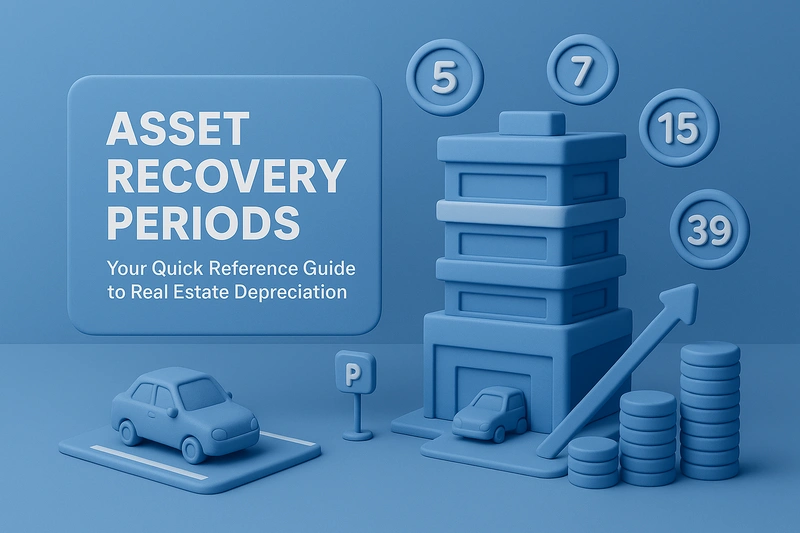
This dramatic increase stems from a critical oversight: many investors fail to recognize that HIPAA-mandated security and privacy improvements qualify for accelerated depreciation schedules. These improvements, required by federal healthcare regulations, represent more than compliance costs. They constitute distinct property components eligible for 5, 7, or 15-year depreciation instead of the standard 39-year schedule for commercial buildings.
The intersection of healthcare compliance and tax strategy creates unprecedented opportunities for medical real estate investors. With the recent passage of the "Big Beautiful Bill" establishing permanent 100% bonus depreciation for properties acquired and placed in service after January 19, 2025, the timing for medical office cost segregation has never been more critical.
Understanding which HIPAA improvements qualify for accelerated depreciation can transform your medical property from a long-term tax burden into an immediate cash flow generator.
This analysis examines specific HIPAA-required improvements that qualify for shorter depreciation periods and demonstrates how strategic classification can improve your return on investment by 15-20% annually.
Understanding Medical Office Cost Segregation Fundamentals
What Makes Medical Properties Different
Medical office buildings contain specialized components that standard commercial properties lack. While typical office buildings depreciate over 39 years using straight-line methods, medical facilities house equipment and improvements that qualify for 5, 7, and 15-year recovery periods. Cost segregation studies consistently identify 25-40% of medical building costs as eligible for accelerated depreciation.
The engineering-based approach examines each building component individually. Unlike simple cost allocation methods, this detailed analysis separates § 1245 personal property from § 1250 real property.
Medical-specific items like specialized electrical systems for imaging equipment, reinforced flooring for MRI machines, and dedicated HVAC systems for laboratory spaces all qualify as personal property with shorter depreciation lives.
The Basics of Cost Segregation for Healthcare Properties
Cost segregation services for medical facilities require specialized expertise. Healthcare buildings contain unique infrastructure that general commercial properties lack. Emergency power systems, medical gas distribution, and specialized waste handling systems represent significant investments that qualify for accelerated depreciation.
The reclassification process impacts cash flow immediately. A $3 million medical office building typically contains $600,000 to $900,000 in components eligible for shorter depreciation periods. For properties acquired after January 19, 2025, the new permanent 100% bonus depreciation rules allow immediate deduction of these reclassified assets.
What exactly qualifies for shorter depreciation in my medical office building?
Medical-specific equipment connections, specialized HVAC systems for treatment rooms, security systems required for HIPAA compliance, and dedicated electrical circuits for medical equipment typically qualify for 5-7 year depreciation instead of 39 years. Land improvements like parking lots and sidewalks qualify for 15-year schedules.
HIPAA-Compliant Improvements That Qualify for Accelerated Depreciation
Physical Security Measures
HIPAA requires extensive physical security measures that qualify as § 1245 property. Electronic access control systems, including card readers and biometric scanners, depreciate over 5-7 years.
Security camera networks monitoring medication storage areas and patient records rooms constitute separate property from the building structure. Site visit specialists classify these systems as personal property during site visits, documenting their specific security functions.
Reinforced reception areas with bulletproof glass installations qualify for accelerated depreciation when installed primarily for HIPAA compliance. Specialized door locks on records rooms, medication dispensaries, and server rooms represent distinct security components. Alarm systems protecting controlled substances and patient information systems depreciate faster than standard building components.
Technology Infrastructure
HIPAA-mandated technology infrastructure represents significant reclassification opportunities. Dedicated electrical systems supporting electronic health records (EHR) servers qualify as 5-year property.
Uninterruptible power supplies protecting patient data systems depreciate separately from general building electrical. Data backup systems and disaster recovery infrastructure installed specifically for HIPAA compliance receive favorable treatment.
Encrypted communication systems, including specialized phone systems and secure messaging platforms, qualify for shorter recovery periods.
Network infrastructure supporting HIPAA-compliant data transmission depreciates over 5 years. These technology investments often represent 10-15% of total building costs in modern medical facilities.
Privacy-Related Modifications
Patient privacy requirements drive numerous improvements eligible for cost segregation. Sound-proofing materials in examination rooms, when installed beyond standard building specifications, qualify as personal property.
Specialized window treatments providing required privacy levels depreciate separately from standard building components.
Modular walls creating HIPAA-compliant consultation spaces represent temporary partitions eligible for 7-year depreciation. Privacy screens, specialized millwork for records storage, and custom reception desk configurations that shield patient information from public view all qualify for accelerated schedules.
Financial Example:
Consider a $2 million medical office building with $400,000 in HIPAA improvements reclassified to 5-year property. For buildings acquired after January 19, 2025, the permanent 100% bonus depreciation allows the entire $400,000 to be deducted in year one, generating $140,000 in immediate tax savings at a 35% tax rate.
For properties acquired before this date, standard depreciation schedules apply based on acquisition timing.
These HIPAA improvements, properly documented through cost segregation services, transform compliance costs into strategic tax advantages. The key lies in proper classification during initial construction or through retroactive studies using Form 3115 for existing properties.
Specialized Medical Systems and Healthcare Depreciation
Climate Control for Medical Purposes
Medical facilities require specialized HVAC systems that qualify for accelerated depreciation under the "sole justification test." When climate control systems exist primarily to support medical equipment or medication storage, they depreciate as 5-7 year property. Cost segregation engineers identify these systems during site visits by documenting temperature and humidity requirements for specific medical functions.
MRI suites need precise temperature control to maintain magnet stability. Operating rooms require advanced filtration systems exceeding standard building codes. Pharmaceutical storage areas demand strict temperature monitoring and redundant cooling systems. Laboratory spaces need specialized ventilation rates for chemical handling. These systems, distinct from general building HVAC, qualify as §1245 property.
Clean room environments for compounding pharmacies represent complete climate control systems eligible for accelerated depreciation. Isolation room ventilation, including negative pressure systems, depreciates separately from standard building components.
Medical-Specific Electrical and Plumbing
Dedicated electrical systems supporting medical equipment qualify for 5-year depreciation. Imaging equipment requires specialized power conditioning and dedicated circuits. Emergency backup generators supporting critical care functions depreciate faster than standard building electrical. Uninterruptible power supplies for life-support equipment represent personal property.
Medical gas distribution systems, including oxygen, nitrogen, and vacuum lines, qualify as specialized equipment. These systems depreciate over 5-7 years rather than 39 years as building components. Specialized waste disposal systems for medical waste and hazardous materials receive similar treatment.
How do I know if my HVAC system qualifies for accelerated depreciation?
If the HVAC system primarily serves medical equipment requirements or medication storage rather than general occupant comfort, it likely qualifies. Documentation showing manufacturer specifications, equipment requirements, or pharmacy regulations supports reclassification.
Systems serving both purposes require allocation based on primary function. Cost segregation engineers determine proper allocation, ensuring IRS compliance while maximizing depreciation benefits.
Maximizing Your Medical Office Investment Through Strategic Planning
Proper classification during construction or renovation determines your depreciation benefits. Cost segregation professionals work with contractors and architects to identify qualifying components before construction completion. This proactive approach ensures maximum reclassification opportunities and comprehensive documentation for IRS compliance.
Existing medical properties benefit from retroactive studies. Form 3115 allows automatic accounting method changes without amending prior returns. This "look-back" provision captures missed depreciation from previous years as a current-year deduction. There is no cutoff on how far back the look-back can reach, provided the property has not been fully depreciated.
IRS audit support requires detailed engineering analysis. R.E. Cost Seg provides comprehensive reports with photographic documentation from site visits, construction drawings, and component pricing. This documentation satisfies IRS requirements while protecting your depreciation deductions.
Real-World Application and ROI Analysis
Case Study: Medical Office Building Cost Segregation Impact
A recent R.E. Cost Seg study examined a $3 million medical office building with extensive HIPAA improvements. The analysis identified:
Property Details:
- Purchase price: $3,000,000
- Land value: $500,000
- Building basis: $2,500,000
- HIPAA improvements identified: $600,000
- Additional 5-7 year property: $400,000
Depreciation Comparison: Standard 39-year depreciation generates $64,102 annually. Cost segregation services reclassified $1 million to shorter schedules. For a property acquired after January 19, 2025, the permanent 100% bonus depreciation produces first-year depreciation of $1,000,000, generating $350,000 in immediate tax savings at a 35% rate.
The five-year net present value exceeds $400,000. The study cost $8,500, delivering a 47:1 return on investment. The permanent bonus depreciation provisions make cost segregation studies essential for all medical office acquisitions.
Discover Your Potential Tax Savings
HIPAA improvements represent untapped depreciation opportunities for medical property owners. Proper classification transforms compliance costs into immediate tax benefits. Medical office cost segregation typically identifies 25-40% of building costs eligible for accelerated depreciation.
Strategic implementation requires professional expertise. R.E. Cost Seg engineers understand both healthcare regulations and IRS requirements. Our comprehensive studies withstand scrutiny while maximizing your deductions.
Request your free proposal today. Our team of experts will work with you to identify potential savings and make the process easy and hassle-free.